Atelier
Learn new techniques at our youth programs in San Francisco for high schoolers finding their creative voice.
About
A year-round weekend and summer program
Meet other art lovers from the Bay Area and beyond
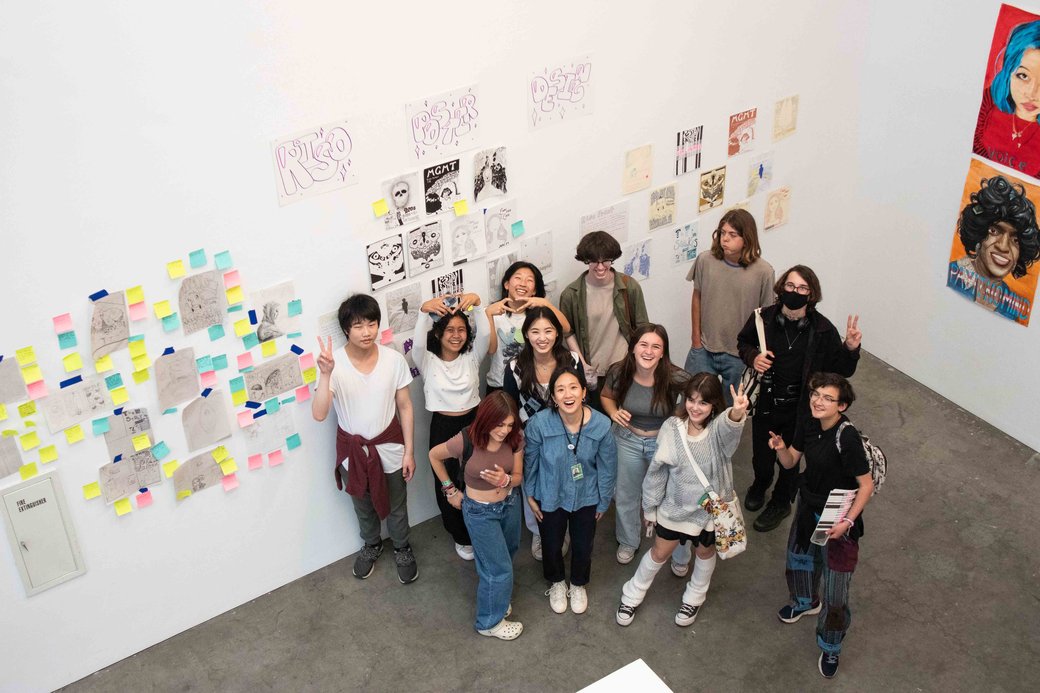
CCA Atelier, named after the French word for “workshop,” provides curious young high school students an opportunity to hone their skills and practice new techniques through intensive discussion and activity.
Atelier's non-credit, non-residential youth programs are held in San Francisco throughout the year. All high school students (ages 14-18) are eligible to attend weekend-long intensives and multi-week classes in the fall and spring. And in the summer, ninth- and tenth-grade students can attend enhanced weeklong studio offerings, culminating in a student exhibition for family and friends.
Workshops
Deepen established skills or try something new
Explore a range of interests in topic-focused intensives
Atelier offers accessible, flexible, and immersive learning experiences in a variety of art and design topics. Each Atelier instructor is a practicing artist or designer with experience teaching high school-aged students. Our instructors help Atelier participants investigate their interest, get hands-on with new materials, and create pieces they can use in future art and design school applications.
Recent fall and spring weekend workshops
- Animation
- Figure Drawing
- Mixed Media & Collage
- Illustration
- Industrial Design Prototyping
- Fashion Upcycling
- Cyanotypes & Fashion Design
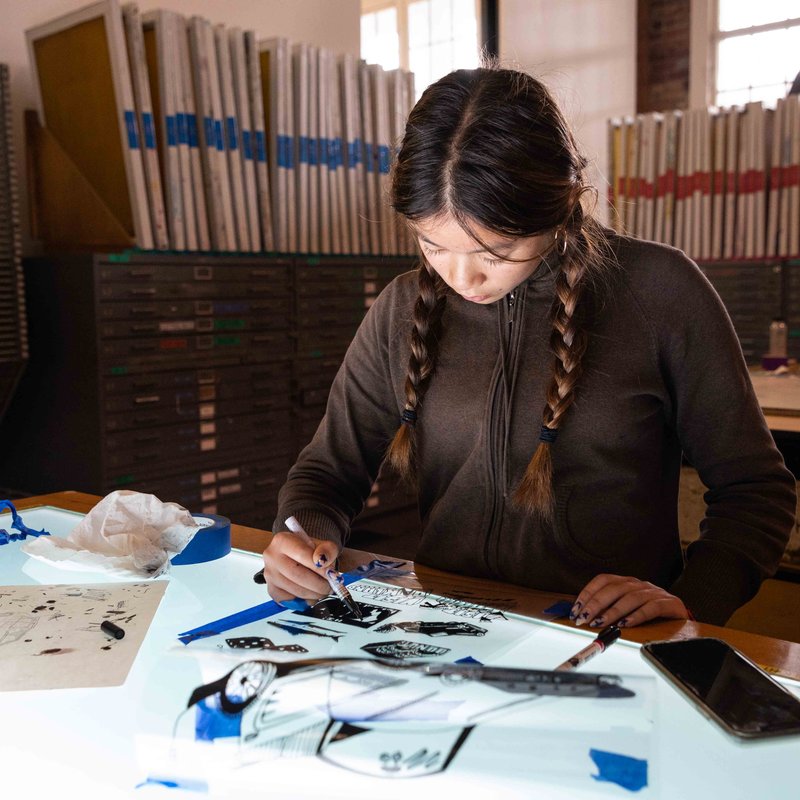
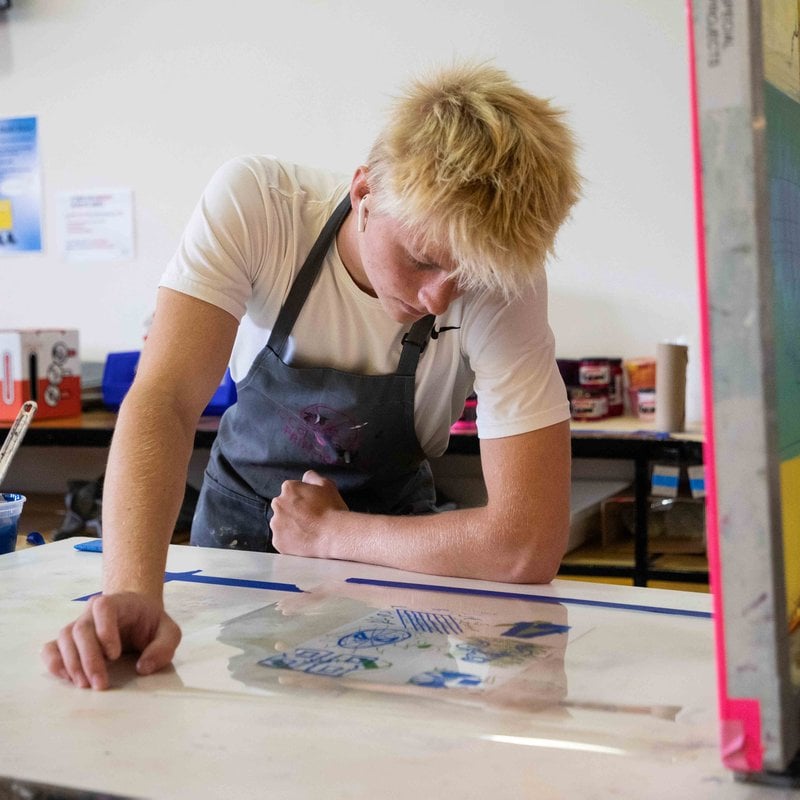
- Screenprinting
- Experimental Photography
Recent weeklong summer workshops
- Black & White Photography
- Digital Photography
- Screenprinting
- Printmaking
- Animation 2D
- Architecture & Interior Design
- Comics & Graphic Novel
- Graphic Design
- Fashion Design & Textiles
- Film & Writing
- Illustration & Drawing
- Jewelry Making & Metal Arts
- Painting & Drawing
- Sculpture & Drawing
How to Register
Join our supportive and inspiring community
Spring Atelier
Summer Atelier
Sign up directly or apply for a scholarship
There are two steps to registering for summer Atelier:
- Select a specific summer studio and pay to register. Upon purchase, you will receive a confirmation email and a link to the required Atelier Program Application.
- Complete and submit the summer Atelier program application to finalize the registration and secure your student's spot.
Summer scholarships are available
We offer a limited number of CCA summer program scholarships to summer Atelier applicants who have significant financial need. Please only apply if your student cannot otherwise afford to attend. Please note: Scholarships do not include the lunch and snack fees.
Rather than registering for a specific workshop directly, submit a summer Atelier program Application and indicate your workshop choices within the application. You will also be required to submit the following:
- a copy of a parent or guardian's recent federal income tax return,
- a written statement that describes the financial need and the applicant's interest in the program and
- a name and email address for a current high school teacher or counselor.
Key dates
Fall Atelier
- August 2023 / Registration opens for fall
- October - December 2023 / Classes and workshops
Spring Atelier
- December 2023 / Registration opens for spring
- February - May 2024 / Classes and workshops
Summer Atelier
- January 19, 2024 / Registration opens for summer
- May 1, 2024 / Scholarship deadline
- June 17-28, 2024 / Summer Atelier two-week program
Support & FAQs
Attend a top youth program in San Francisco
Atelier frequently asked questions
What age groups can attend Atelier?
Students in ninth through twelfth grade (ages 14-18) may attend fall and spring Atelier. Summer Atelier is reserved for students who will have just completed ninth or tenth grade before the upcoming summer session.
We know this can get confusing because our summer Atelier program is during summer break, so here’s an example: If your student is about to complete eighth grade this spring and you want to register them for Atelier this summer, they are ineligible and should wait until next year (CCA’s Young Artist Studio Program is the appropriate program for them). However, if your student is about the complete tenth grade this spring and you want to register them for Atelier this summer, they are eligible and we hope they’ll attend.
How much does Atelier cost?
Tuition for Atelier varies by session type, listed below. Class materials are included in the cost of tuition.
- Fall and spring Atelier: $200 for a two-day workshop (this does not include lunch)
- Fall and spring Atelier: $395 for an eight-session course (this does not include lunch)
- Summer Atelier two-week: $2,100 for a nine-day workshop (this does include lunch)
Will you provide food throughout the day?
Only for summer Atelier sessions, which includes the cost of food for the whole week in the price of tuition. If your student has allergies or dietary restrictions, we can likely accommodate any request. You’ll provide that information on the general enrollment form we will send you via email after signing up for summer Atelier. Read Atelier Policies.
How big are classes?
Workshops are restricted to 12 to 16 students per studio. The small class size helps ensure our instructors are empowered to concentrate on each individual student and provide hands-on experiences that best supports each participant. This does mean that the studios fill up quickly, however, so please sign up for our newsletter to get an alert when registration opens. Subscribe for summer registration alerts.
Do you have any accessibility, safety, and medical policies?
Yes, and we encourage every parent and guardian who wishes to register their student for Atelier to review them before the program begins. Read Atelier Policies.
Contact us anytime
We believe creativity is a lifelong experience that expands the potential of communities and individuals alike. How can we help? Email [email protected].